


Introduction
Tooth Extraction is a dental procedure in which a damaged, decayed, or problematic tooth is removed from the mouth. This treatment is usually done when a tooth cannot be saved through filling, root canal, or other dental procedures. Tooth extraction may also be required for loose teeth, severe infection, overcrowding, or wisdom tooth problems. It is a common and safe dental treatment performed under local anesthesia. Removing the affected tooth helps protect other healthy teeth and prevents further pain or infection.
How Dentist Are Doing
The dentist first checks the tooth condition through clinical examination and sometimes X-ray to confirm the root position. After that, local anesthesia is given to numb the area so the patient does not feel pain during the procedure. The dentist carefully loosens the tooth using special dental instruments and gently removes it from the socket. In some cases, surgical extraction is done if the tooth is broken or impacted inside the gums. After removal, the dentist cleans the area, may place stitches if needed, and gives proper medicines and after-care instructions.
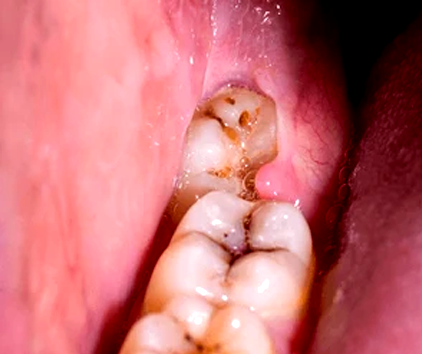
- Before dental Treatment
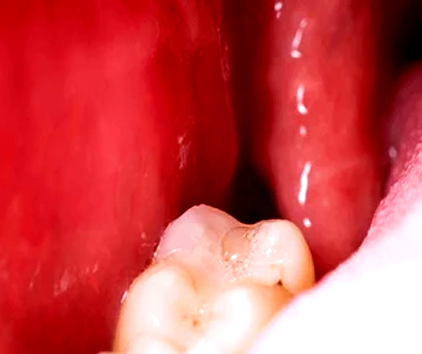
- After dental Treatment
Use / Benefits
Tooth extraction helps to remove infected or severely damaged teeth and provides relief from pain. It prevents the spread of infection to nearby teeth and gums. Extraction is also useful in orthodontic treatment to create space for proper teeth alignment. Removing a problematic tooth can improve overall oral health and avoid future complications. After extraction, dentists may suggest replacement options like implants, bridges, or dentures for better chewing and appearance.